Wind power generation solution
As an important form of renewable energy utilization, wind power injects clean energy into the global energy supply system by converting wind energy into electricity. The plan aims to elaborate on the full process solution for wind power projects from planning and design to construction and operation, in order to achieve efficient, stable, and sustainable wind power generation goals.
Shengwei New Energy integrates the best equipment suppliers in China to provide customers with the best implementation solutions.
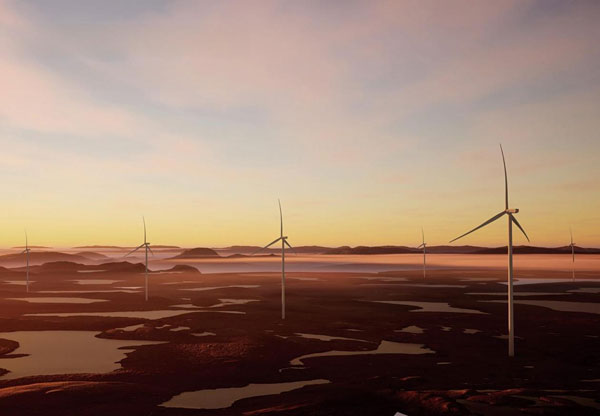
1. Resource assessment and site selection
1) Wind energy resource assessment: Using professional wind measurement equipment such as laser radar, ultrasonic anemometer, etc., to conduct long-term and accurate measurement and analysis of wind energy resources in the selected area. The evaluation indicators include average wind speed, wind speed distribution, wind direction changes, wind energy density, etc. A detailed wind resource map is drawn to determine areas with abundant and stable wind energy resources.
For example, in a certain region of northwest China, a year of wind measurement data shows that the annual average wind speed can reach over 7m/s, and the wind direction is relatively stable, with good potential for wind power development.
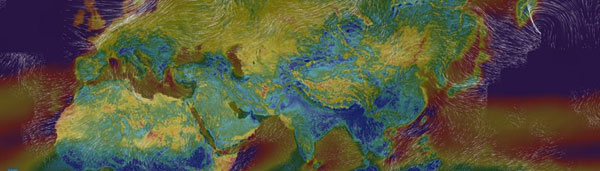
Global weather, one screen grasp
In deep cooperation with authoritative meteorological agencies, we have independently developed a high-precision 40m horizontal resolution mesoscale dataset to provide accurate meteorological data basis for the planning, site selection, and design of new energy stations.
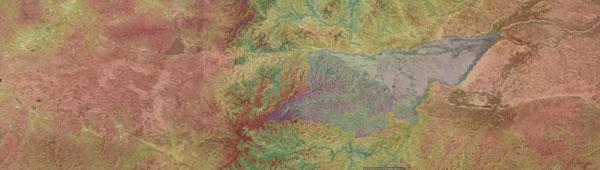
Regional resources, one click planning
Taking into account factors such as land use, resources, and costs, evaluate the potential capacity and investment returns of the site, and provide technical basis for the early planning and development of the project.
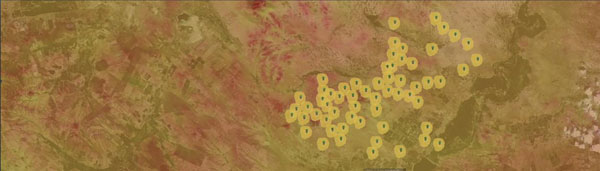
Superb computing power, global optimization
Empowered by supercomputers, achieving collaborative optimization of layout, selection, power consumption, and cost, reducing project electricity costs.
2) Site selection considerations: In addition to wind energy resources, comprehensive consideration should be given to factors such as topography, geological conditions, transportation convenience, power grid access conditions, land use planning, and surrounding environmental impacts. For example, onshore wind farms should prioritize areas with open, flat, or slightly undulating terrain, avoiding unfavorable geological areas such as earthquake fault zones and areas prone to landslides and debris flows; Approaching existing or planned transmission lines to reduce grid access costs; At the same time, evaluate the potential impact of the project on the lives of surrounding residents and the ecological environment (such as bird migration, wildlife habitats, etc.) to ensure the environmental friendliness and social acceptability of the project.
3) Two types of wind fields:
【Onshore wind farm】
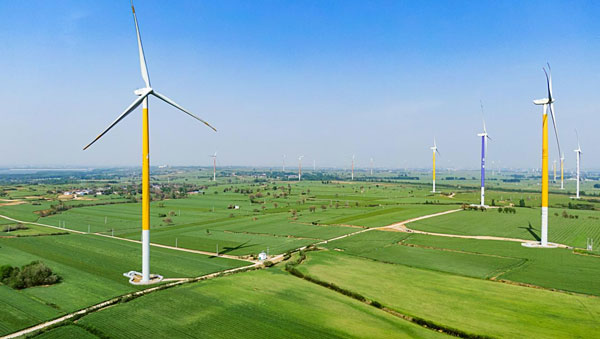
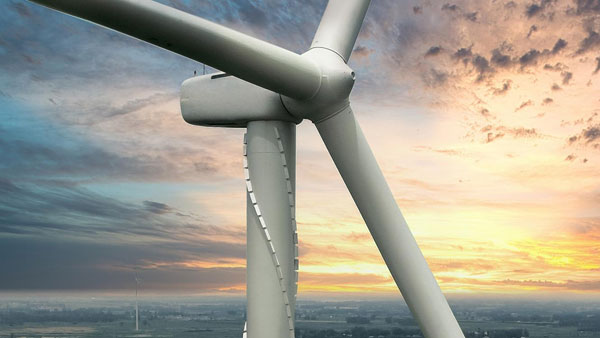
【Offshore wind field】
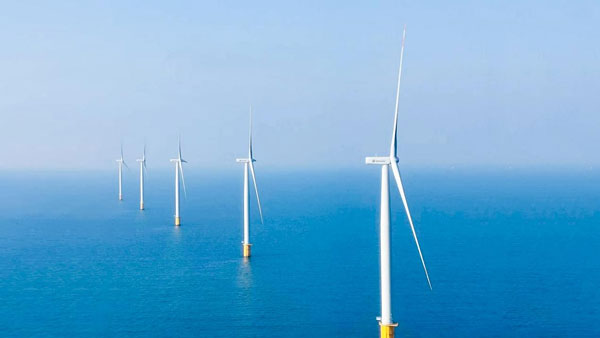
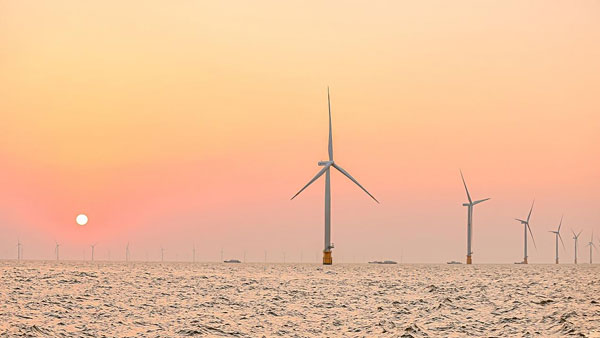
2. Fan selection and layout
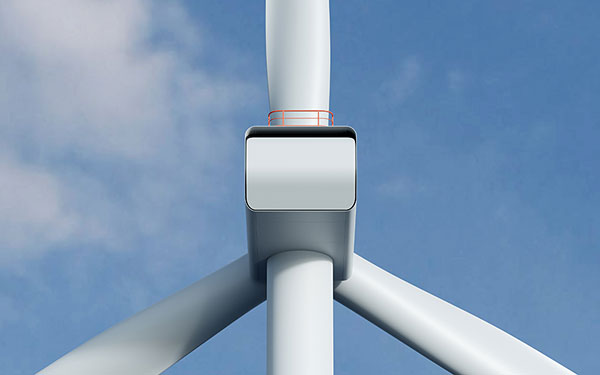
Selection criteria for wind turbines: Based on the results of wind resource assessment, project scale, and investment budget, select suitable wind turbines.Consider the performance parameters of the wind turbine, such as rated power, inlet wind speed, outlet wind speed, rated wind speed, wind energy utilization coefficient, as well as the reliability, maintenance convenience, and cost-effectiveness of the wind turbine. For example, in low wind speed areas, fans with high tip speed ratio and low starting wind speed characteristics can be selected to improve wind energy capture efficiency; In high wind speed areas, attention should be paid to the wind resistance and stability of the fan, and models with higher rated power and sturdy structure should be selected.
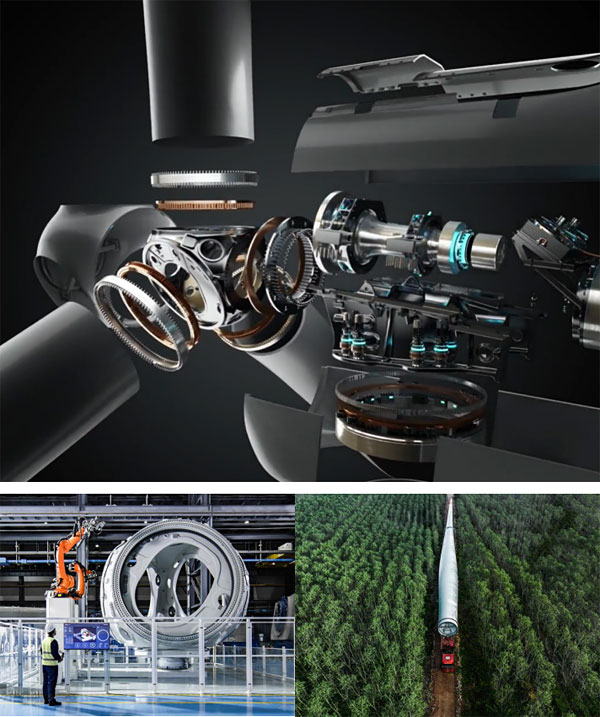
2) Layout optimization design: Advanced wind farm design software is used to optimize and simulate the layout of wind turbines. aking into account factors such as wake effects and terrain obstruction between wind turbines, the optimal spacing and arrangement of wind turbines are determined to maximize the overall power generation efficiency of the wind farm. Generally speaking, the spacing between fans is between 4-8 times the diameter of the wind turbine, and can be adjusted appropriately according to specific terrain and wind conditions; The arrangement can be matrix or plum blossom, etc. By optimizing the layout, the wake loss can be effectively reduced and the annual power generation of the wind farm can be increased by 5% -10%.
3. Wind farm construction
1) Foundation construction: Based on the wind turbine model and geological conditions, design a reasonable wind turbine foundation form, such as gravity foundation, pile foundation, etc.
Strictly follow the construction specifications for foundation construction, ensuring that the strength, stability, and flatness of the foundation meet the requirements for fan installation.
For example, in soft soil foundation areas, cast-in-place pile foundations are used to provide stable support for wind turbines by driving piles deep into the bearing layer;
In rock foundation areas, anchor bolt foundations can be used to anchor using the inherent strength of the rock, reducing foundation costs.
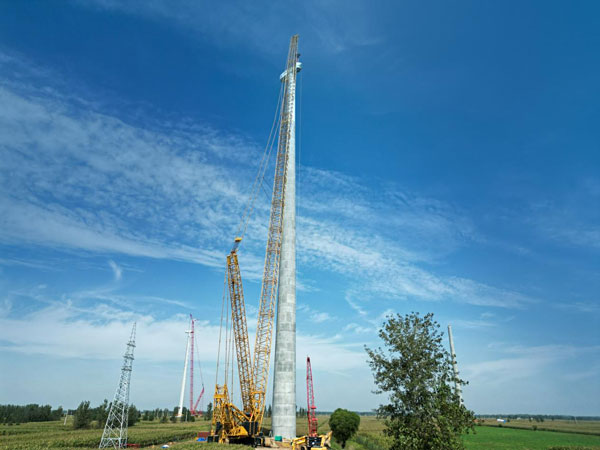
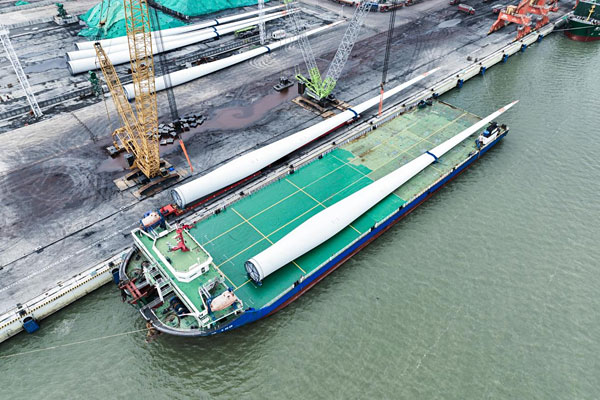
2) Fan installation: A professional installation team uses large lifting equipment to perform precise installation according to the fan installation manual. Including the assembly and erection of the tower, hoisting of the engine room, installation and commissioning of the hub and blades, etc., to ensure that all components of the fan are firmly connected and the installation accuracy meets the requirements. During the installation process, pay attention to safety protection measures, strictly follow the safety regulations for high-altitude operations, and prevent safety accidents from occurring.
3) Electrical system installation: Construct the electrical system of the wind farm, including box type substations, collection lines, booster stations, etc.
The box type substation boosts the low-voltage AC power output by the wind turbines to medium voltage level, and aggregates the electrical energy of multiple wind turbines through the collection line before transmitting it to the boosting station. The boosting station then raises the voltage to the grid connection voltage level (such as 110kV, 220kV, etc.), achieving grid connection with the grid.
During the installation process of the electrical system, ensure the quality and safety of cable laying, wiring connections, electrical equipment debugging, and other aspects, to ensure stable transmission and efficient conversion of electrical energy.
4) Debugging and trial operation: After completing the construction of the wind farm, conduct comprehensive debugging and trial operation work. Conduct detailed testing and adjustment of various performance parameters of the wind turbine, the operation status of the electrical system, and the functions of the control system to ensure that all equipment and systems in the wind farm can operate normally and stably. During the trial operation, closely monitor the power generation data, equipment operation status, and environmental parameters of the wind farm, promptly identify and solve potential problems, and lay a solid foundation for formal operation.
4. Operation, maintenance and management
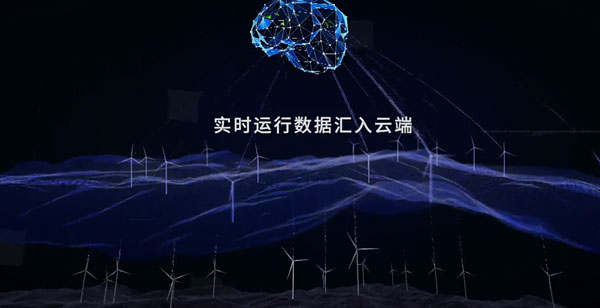
1) Monitoring system: Establish an advanced wind farm monitoring center equipped with professional monitoring software and hardware equipment to monitor the real-time and remote operation status of all wind turbines and electrical equipment in the wind farm.The monitoring indicators include the active power, reactive power, speed, temperature, vibration and other parameters of the wind turbine, as well as the voltage, current, power factor and other parameters of the electrical system. Through data analysis and intelligent warning functions, potential equipment failures and abnormal operating conditions can be detected in a timely manner, providing accurate decision-making basis for operation and maintenance personnel.
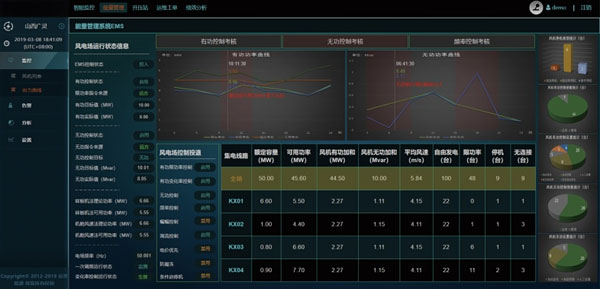
EnOS centralized control - wind farm monitoring/wind farm energy management
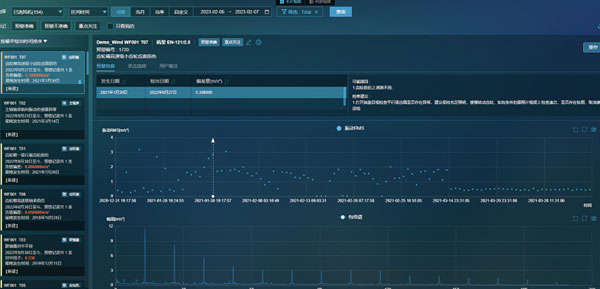
EnOS Advanced Wind Power Analysis
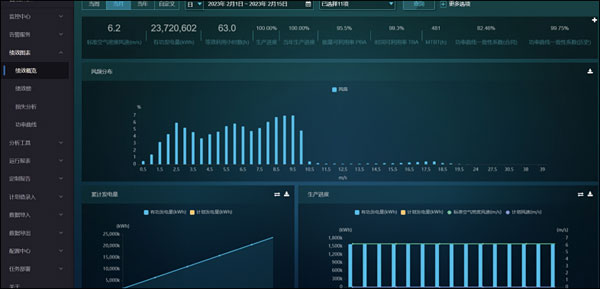
EnOS wind power centralized control
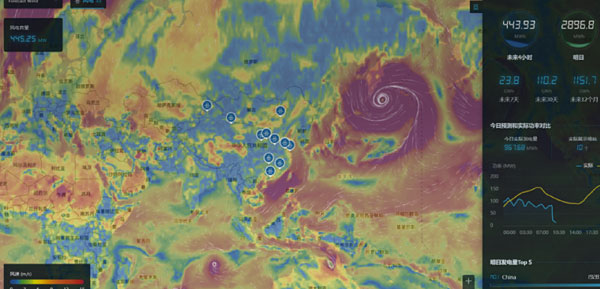
EnOS wind power prediction
2) Inspection and maintenance: Develop a scientific and reasonable inspection and maintenance plan, and arrange professional operation and maintenance personnel to conduct regular inspections of the wind farm. The inspection content includes visual inspection of the fan, inspection of bolt fastening, inspection of blade condition, inspection of equipment operation in the engine room, inspection of electrical equipment, and inspection of the foundation and surrounding environment. Based on the operating time and status of the fan, different inspection cycles are determined, such as daily inspection, monthly inspection, quarterly inspection, and annual maintenance, to timely detect and handle equipment wear, aging, damage, and other issues, ensuring the reliability and safety of the fan and electrical equipment.
3) Fault handling: Establish a fast response fault handling mechanism. When the monitoring system issues a fault alarm or a fault is detected during inspection, the operation and maintenance personnel can quickly arrive at the scene and use professional tools and technology to diagnose and eliminate the fault. For common faults such as wind turbine frequency converter faults, blade faults, generator faults, etc., detailed fault handling plans should be developed, necessary spare parts should be stocked, fault repair time should be shortened, and power generation losses caused by faults should be reduced. At the same time, strengthen cooperation with wind turbine manufacturers and professional technical service organizations, timely obtain technical support and solutions, and improve the efficiency and quality of fault handling.
4) Technical training and personnel management: Strengthen the technical training of wind farm operation and maintenance personnel, so that they are familiar with the working principles, structural characteristics, operation and maintenance requirements, and fault handling methods of wind turbines. Regularly organize internal training and external technical exchange activities to continuously update the technical knowledge and operational experience of operation and maintenance personnel. Establish a sound personnel management system, clarify job responsibilities and performance evaluation standards, improve the work enthusiasm and sense of responsibility of operation and maintenance personnel, and build a professional and efficient operation and maintenance team.
5. Grid access and energy consumption
1) Grid access plan: Develop a reasonable grid access plan based on the scale, location, and surrounding grid structure of the wind farm.
Work closely with the local power grid company to carry out the design and review of the power grid access system, determine the grid voltage level, access point location, transmission line path, and related electrical equipment parameters of the wind farm. According to the requirements of the power grid company, complete the grid connection application, commissioning application, and related procedures to ensure the smooth integration of the wind farm into the power grid and achieve safe and stable operation.
2) Energy consumption strategy: Considering the intermittency and volatility of wind power generation, develop effective energy consumption strategies.
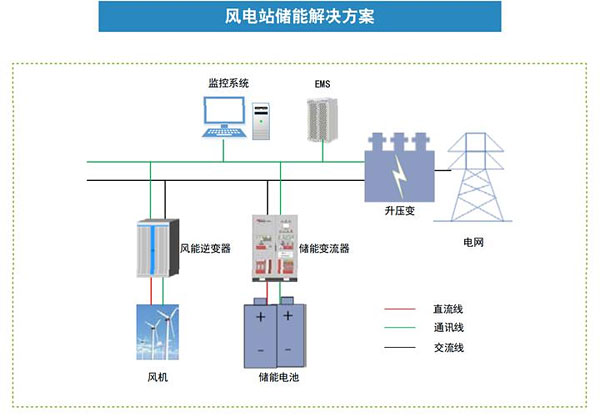
On the one hand, strengthen cooperation with local power load centers, expand the local electricity consumption market through signing long-term power purchase agreements, participating in direct electricity trading, and other methods; On the other hand, actively exploring the application of energy storage technology, such as configuring lithium-ion battery energy storage systems, pumped storage power stations, etc., to store excess electricity and release it during periods of insufficient wind power output or peak electricity demand, improve the quality and stability of electricity, and promote the full consumption of wind power. In addition, by combining national energy policies with renewable energy development plans, participating in cross provincial and cross regional electricity trading and auxiliary service markets, expanding wind power consumption channels, and enhancing the economic and social benefits of wind farms.
6. Analysis of Economic and Environmental Benefits
1) Economic benefits: Wind power projects have good investment return prospects. Its main source of revenue comes from electricity sales. With the advancement of wind power technology and economies of scale, the cost of wind power generation has gradually decreased, and in some regions, it has a cost advantage that competes with traditional energy generation. At the same time, the construction and operation of wind farms can drive the development of local related industries, create employment opportunities, and promote regional economic growth. For example, a 50MW wind farm with an annual power generation of over 100 million kWh can generate tens of millions of yuan in annual electricity sales revenue based on local grid electricity prices; During the construction of wind farms, it can drive the development of industries such as construction, transportation, and equipment manufacturing, provide a large number of job opportunities, and inject vitality into the local economy.
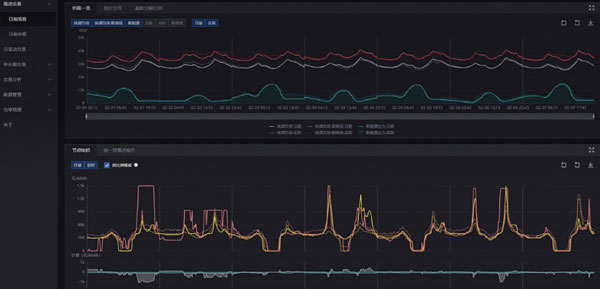
EnOS intelligent trading terminal
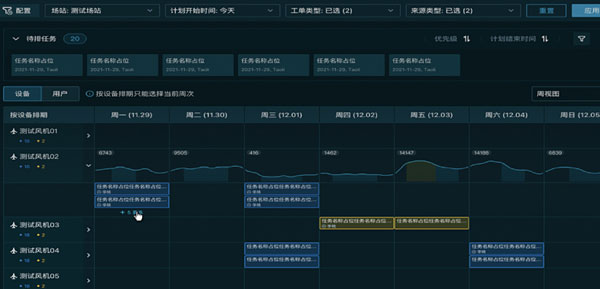
Integrated solution for production and marketing
2) Environmental benefits: Wind power generation, as a clean energy source, has significant environmental benefits.
Throughout its entire lifecycle, it produces almost no greenhouse gas emissions, pollutant emissions, or noise pollution, effectively reducing damage to the atmospheric environment, water environment, and ecological environment. Every kilowatt hour of wind power production is equivalent to reducing standard coal consumption by about 0.4 kilograms and carbon dioxide emissions by about 1 kilogram, which is of great significance for mitigating global climate change and improving environmental quality. In addition, the construction of wind farms can also promote the comprehensive utilization of land resources, such as carrying out agricultural and animal husbandry integrated management, ecological tourism and other projects within the wind farm, achieving the synergistic development of land resource appreciation and ecological environment.
Related Solutions