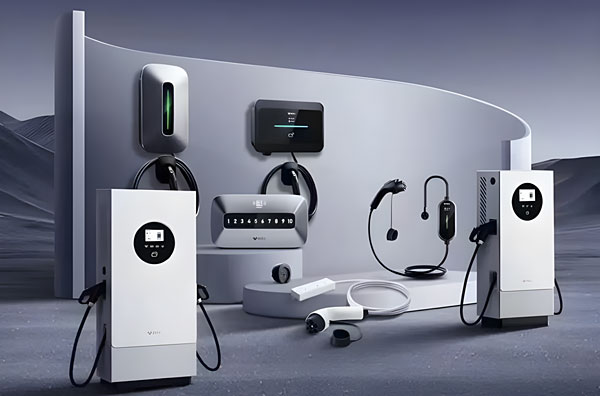
Solution for Optical Storage Charging System
The photovoltaic energy storage and charging system integrates solar photovoltaic power generation, energy storage batteries, and electric vehicle charging facilities, achieving functions such as spontaneous self use of electricity, surplus electricity storage, and peak shaving and valley filling, improving energy utilization efficiency, reducing electricity costs, and promoting the development of green energy and energy conservation and emission reduction in the transportation sector.
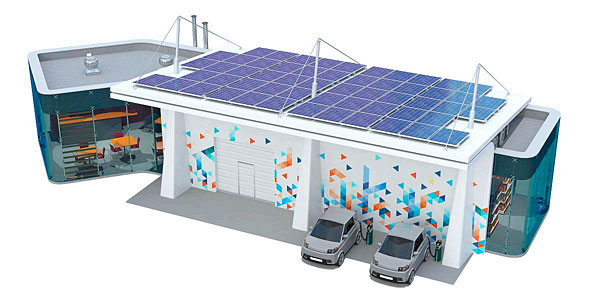
By storing energy and optimizing configuration, the dynamic balance between local energy production and energy load can be achieved, effectively reducing the grid load during peak periods of charging stations, lowering the operating costs of charging stations, and providing auxiliary service functions for the grid.
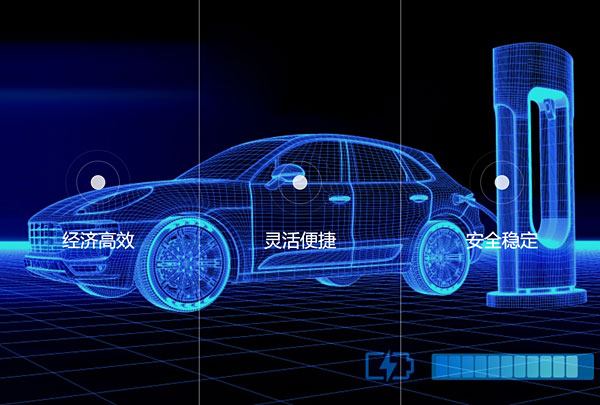
Economically efficient
☑ Multiple benefits: peak valley spread, increased utilization of green electricity, demand side response
☑ Efficient integration: precise configuration, intelligent allocation of power supply, reducing operational losses of charging stations
Flexible and convenient
☑ Modular design, easy installation and debugging
☑ Support multiple operating modes for free switching
☑ Busbar connection for easy expansion and management
Safe and stable
☑ Relieve the impact of charging piles on the power grid
☑ Seamless off grid switching ensures stable charging
☑ The power grid and energy storage complement each other to ensure charging quality
☑ Comprehensive monitoring of cloud edge end, fast fault alarm
☑ AI intelligent management enhances thermal management capabilities
☑ Multi level protection, fast fault isolation
1. System composition
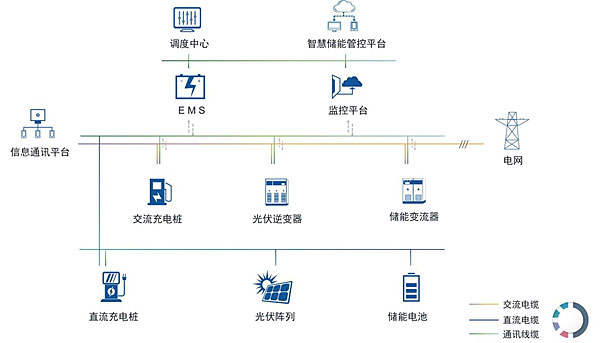
1) Solar photovoltaic power generation system: including photovoltaic modules, inverters, etc. Photovoltaic modules convert solar energy into direct current, while inverters convert direct current into alternating current for use in charging facilities and energy storage systems or integration into the power grid.
2) Energy storage system: composed of energy storage batteries and battery management system (BMS). Energy storage batteries store excess electricity generated by photovoltaics or electricity generated during low electricity prices. BMS is responsible for monitoring the battery status to ensure its safe and stable operation.
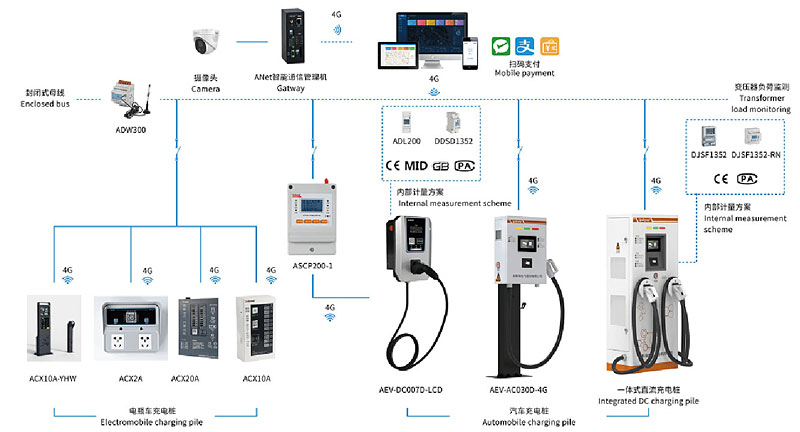
3) Charging facilities: Provide charging services for electric vehicles, including AC charging piles and DC charging piles. Different power and specifications are selected according to the needs to meet the charging needs of various electric vehicles.
2. System advantages
1) Energy efficient utilization: on-site consumption of photovoltaic power generation, reducing transmission losses, storing surplus electricity, and improving energy utilization efficiency.
2) Cost savings: Reduce the electricity costs for enterprises and users, and also obtain economic benefits through peak valley electricity price arbitrage.
3) Stable power supply: The energy storage system provides backup power in the event of a power outage or instability in the grid, ensuring the operation of critical equipment and charging facilities.
4) Environmental protection and emission reduction: Promote the application of renewable energy, reduce carbon emissions and environmental pollution, and contribute to sustainable development.
3. Application scenarios
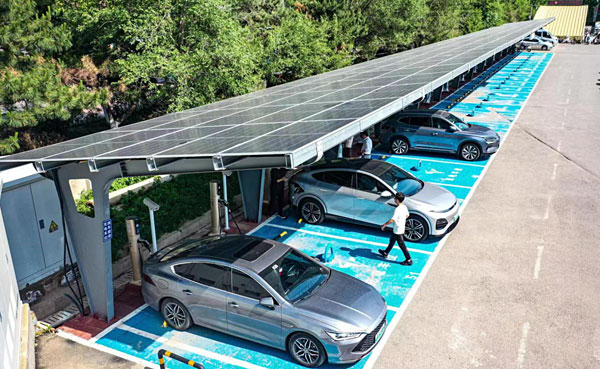
Suitable for parking lots, bus stations, logistics parks, commercial centers, and other places to meet the charging needs of electric vehicles, optimize energy management, and enhance economic and social benefits.

4. Key points of system design
1) Capacity planning: Based on site conditions, electricity demand, and investment budget, determine the capacity of photovoltaic power generation, energy storage batteries, and charging facilities to ensure system compatibility and economy.
2) Equipment selection: Choose efficient photovoltaic modules, reliable energy storage batteries, and advanced charging facilities to ensure system performance and quality.
3) Monitoring and management system: Build a comprehensive monitoring and management system, monitor the system's operating status in real time, achieve remote control and intelligent management, and improve operation and maintenance efficiency and management level.
Related Solutions