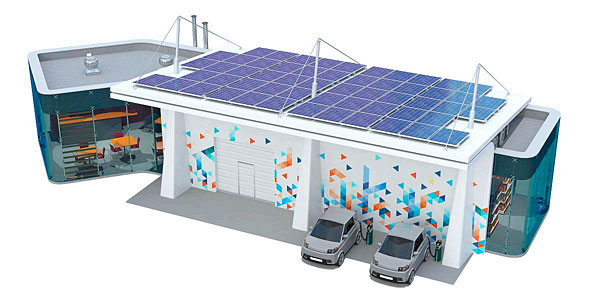
Home Charging Pile Solution
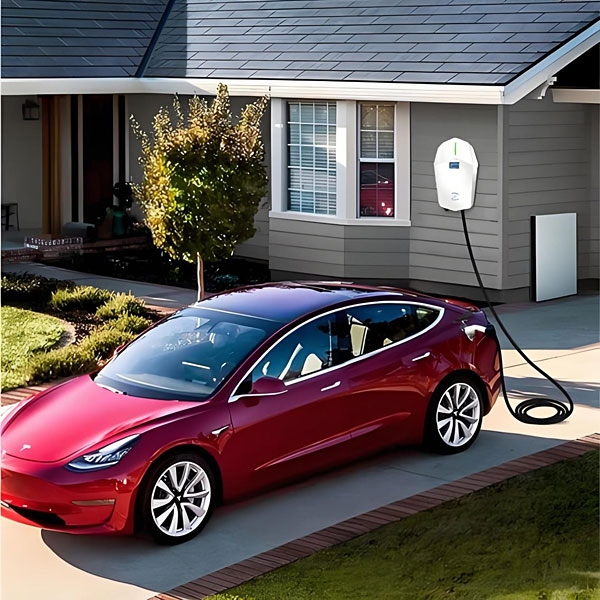
Home charging meets the needs of household users for convenient and safe charging of electric vehicles. The following is the solution for Shengwei household charging piles, including installation conditions, installation steps, usage and maintenance, etc.:
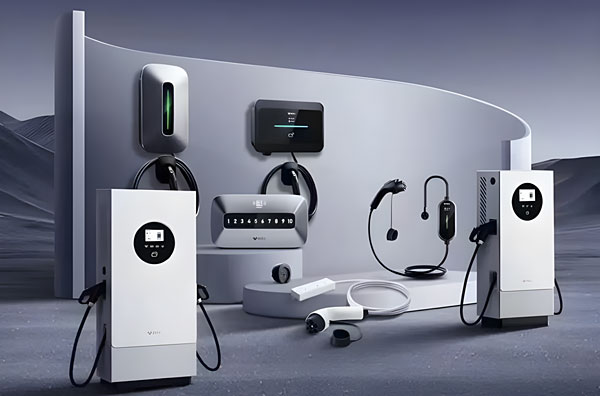
1. Installation conditions
1) Power supply conditions
Home charging stations need to be connected to the home power grid, so it is necessary to ensure that the home power grid has sufficient capacity and stability to support the normal operation of the charging stations.
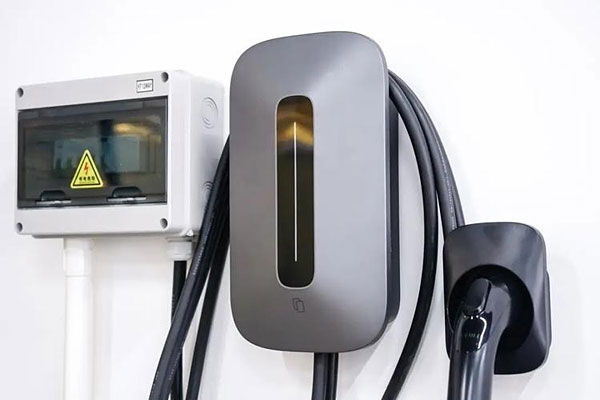
2) Parking conditions
Charging piles should be installed in fixed parking spaces, and the parking spaces should have the necessary space and conditions for installing charging piles, such as flat ground and no obstructions.
3) Property agrees
Installing charging stations in residential areas or apartment buildings under property management requires the consent and support of the property management, as well as compliance with relevant regulations and requirements.
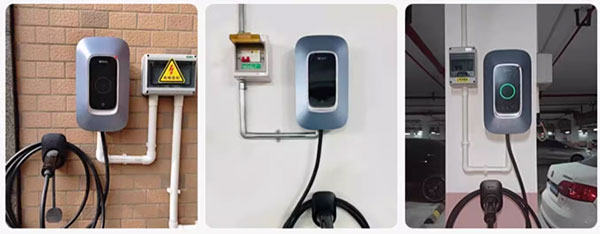
2. Installation steps
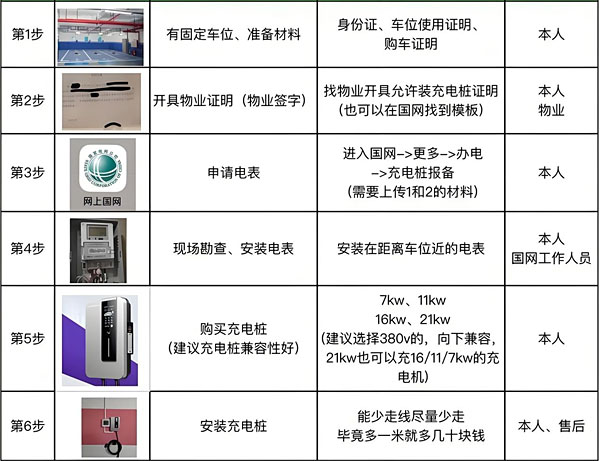
1) Apply for an electric meter
*Go to the local power company or supply station to apply for an independent new energy meter to record charging costs and avoid tripping issues caused by mixing with household electricity.
*According to the requirements of the power company, provide relevant materials and information such as ID cards, property certificates, or lease contracts.
2) Determine the location
*Determine the installation location of the charging station based on the distance from the electricity meter to the parking space, the power requirements of the charging station, and safety factors.
*Ensure that the installation location of the charging station is convenient for the parking and charging of electric vehicles, and does not pose any safety hazards to the surrounding environment and personnel.
3) Installation and construction
*Professional personnel are responsible for the installation and debugging of charging stations. During the installation process, relevant safety regulations and operating procedures should be followed to ensure construction quality and safety.
*After installation, debug and test to ensure that the charging station can operate normally and meet the charging requirements.

3. Usage and maintenance
1) Instructions for use
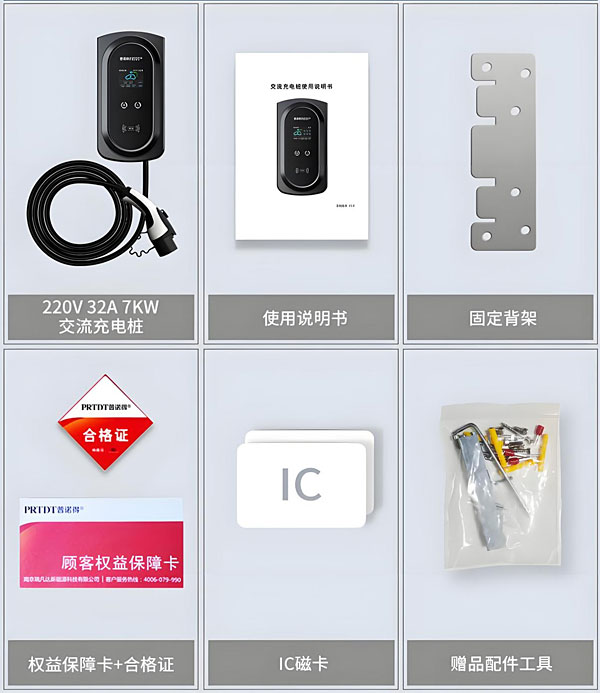
*Before using the charging station, carefully read the instruction manual of the charging station to understand its usage methods and precautions.
*Park the electric vehicle near the charging station and connect the charging port.
Ensure that the connection is secure, free from looseness or damage.
*Choose the appropriate charging mode based on the charging needs of the electric vehicle and the power of the charging station.
2) Maintenance and upkeep
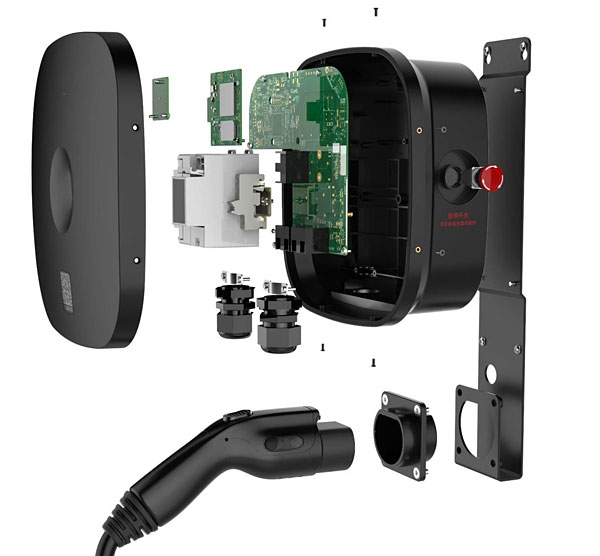
*Regularly inspect and maintain the charging station, such as checking whether the power line, charging interface, touch screen, etc. are normal.
*Wipe the outer shell and charging interface of the charging station with a clean cloth to prevent dirt and dust from affecting the charging effect.
*If any faults or abnormal situations are found in the charging station, professional technicians should be contacted in a timely manner for handling to avoid affecting normal use.
4. Highlights of the solution
1) Intelligent management
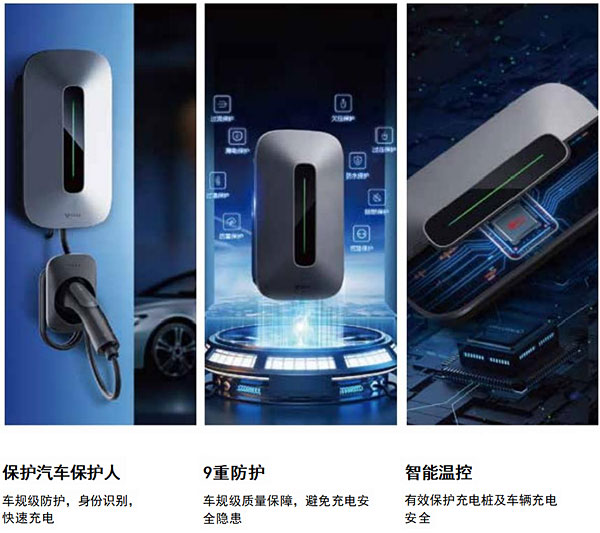
Some household charging stations are equipped with intelligent management systems that can monitor charging status, remaining time, and provide fault diagnosis prompts in real time.
Users can check the usage and charging status of charging stations at any time through mobile applications such as mobile apps.
2) Safe and reliable
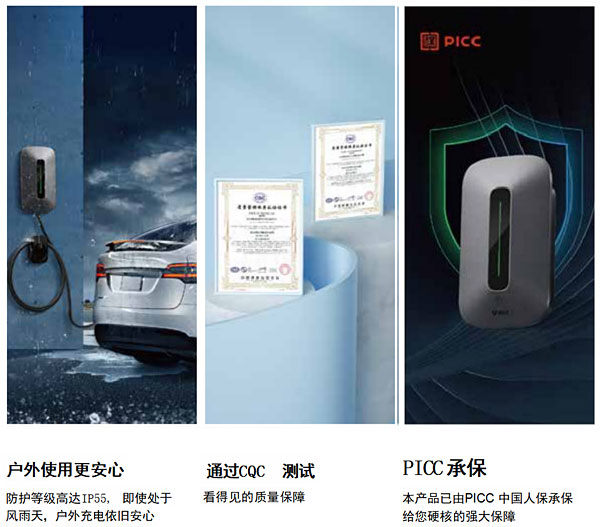
The design of household charging stations fully considers safety factors, such as integrated circuit design for overcurrent, overvoltage, short circuit protection, etc., to prevent safety accidents during the charging process. At the same time, the shell of the charging station is made of high-quality materials, which have waterproof and dustproof functions, ensuring that the charging station can work normally even in harsh environments.
3) Convenient and efficient
The power and charging speed of household charging stations are moderate, which can meet the needs of household users for convenient charging of electric vehicles. At the same time, the operation of the charging station is simple and easy to understand, and users can easily complete the charging operation.
Related Solutions