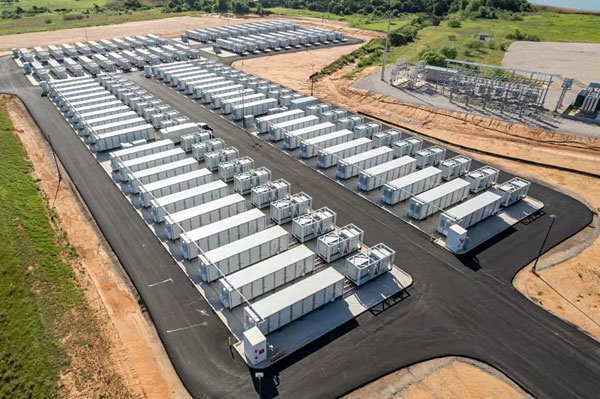
Using energy storage solutions
New energy is receiving increasing attention and favor from people. Home energy storage systems not only solve stable electricity demand, but also utilize peak valley price differences to reduce electricity costs and improve photovoltaic power generation utilization rates. They are an integrated solution for household scenarios.

Provide stable, efficient, and intelligent power storage solutions for household users to meet the increasing energy demand and cost pressures, achieve self-sufficiency in household energy, peak shaving and valley filling, and emergency power supply guarantee in case of grid failures.

Economically efficient
☑ Multiple benefits: spot arbitrage, increased utilization of green electricity, ancillary services
☑ Efficient integration: algorithm intelligence, extended lifespan, 98% charging and discharging efficiency, high space utilization rate
Flexible and convenient
☑ Modular design, flexible configuration, easy installation
☑ High protection level, flexible deployment
☑ Cloud monitoring, cloud edge collaboration, fast fault alarm
Safe and stable
☑ Seamless off grid switching, bidding farewell to power outages
☑ High quality lithium battery cells, AI intelligent management, safe and efficient
☑ Multi level protection, fast fault isolation
1. Core components of the system
(1) Energy storage battery
-Choosing lithium iron phosphate batteries has the advantages of high safety, long cycle life (up to 6000 times or more), moderate energy density, and relatively low cost.
-Provide battery pack options with different capacity specifications ranging from 5kWh to 20kWh based on household electricity load and usage scenarios.
For example, for an ordinary three bedroom household, a battery capacity of around 10kWh can meet most of the daily electricity needs and a certain amount of emergency electricity for a certain period of time.
-The Shengwei battery module uses lithium iron phosphate cells and adopts a high specification BMS battery management system. It is plug and play, easy to install, and is a high-performance, scalable, stable and reliable battery module product.


(2) Inverter
-By using bidirectional intelligent inverters, efficient conversion between DC and AC can be achieved.Its conversion efficiency is over 95%. While converting the DC power of the energy storage battery into AC power for household appliances, it can also convert the DC power generated by the solar panel (if any) into AC power and choose to connect the surplus power to the grid.
-Equipped with intelligent monitoring and protection functions, it can automatically adjust the output power and working mode according to the voltage, frequency, and household electricity load of the power grid, effectively preventing abnormal situations such as overcurrent, overvoltage, and undervoltage from causing damage to household appliances and energy storage systems.
-Energy storage inverters are applied in the energy storage process of grid connection, which can achieve bidirectional conversion and flow of electrical energy as needed, and are an important component of energy storage solutions in various scenarios.
Shengwei's energy storage inverters use technologies such as ZVS and ZCS to achieve seamless multi-mode switching while ensuring high safety, high efficiency, and low interference operating performance, thereby enhancing the stability, reliability, and value contribution of the overall energy storage system.

(3) Battery Management System (BMS)
-Real time and accurate monitoring of the voltage, current, temperature and other parameters of each individual battery in the battery pack, ensuring the consistency and stability of the overall performance of the battery pack.
-When abnormal conditions such as overcharging, overdischarging, and overheating are detected in the battery, the BMS will quickly activate the protection mechanism, adjust the charging or discharging current, ensure the safe operation of the battery, and extend its service life.
At the same time, it has battery balancing function, which can actively balance the difference in power between individual batteries, avoiding the impact of individual battery performance degradation on the capacity and lifespan of the entire battery pack.

(4) Intelligent monitoring and control system

-Through Wi Fi, Bluetooth, or 4G network connection, users can remotely monitor the real-time operation status of the energy storage system using mobile apps or computer software, including detailed information such as battery level, charging and discharging power, inverter working status, and household electricity load curve.
-Support users to customize the working mode of energy storage systems, such as setting time strategies for peak shaving and valley filling, emergency power start-up conditions, etc., to achieve intelligent energy management and optimized configuration.
In addition, the system can predict the future power demand and adjust the energy storage strategy in advance according to historical power consumption data, weather forecast and other information, so as to further improve the energy utilization efficiency and system reliability.

2. System functions and application scenarios
(1) Peak shaving and valley filling
-In areas with significant differences in peak and valley electricity prices, household energy storage systems can automatically charge energy storage batteries during low electricity price periods at night, and discharge batteries to supply power to households during peak electricity price periods during the day, effectively reducing household electricity costs. For example, in a certain region, the peak electricity price is 0.8 yuan/kWh, and the valley electricity price is 0.3 yuan/kWh. If the daily peak electricity consumption of a household is 10kWh, after using an energy storage system to reduce peak and fill valley, the daily electricity cost can be saved by (0.8-0.3) x 10=5 yuan, and the annual electricity cost can be saved by about 1800 yuan.

(2) Emergency power supply
-When encountering a power outage, the energy storage system can automatically switch to off grid emergency power supply mode in an instant, providing continuous and stable power supply for key electrical equipment such as lighting, refrigerators, televisions, and computers in the home. Taking a 10kWh energy storage battery as an example, it can provide 4-6 hours of power supply for critical loads in ordinary households, ensuring basic living needs and smooth information communication during power outages.

(3) New energy power generation supporting facilities (optional)
-If a household installs a solar photovoltaic power generation system, the energy storage system can be perfectly integrated with it. The excess electricity generated by solar panels during the day can be stored in energy storage batteries for use at night or on rainy days, achieving maximum self-sufficiency of household energy, further reducing dependence on traditional power grids, and lowering carbon emissions. For example, a 5kW solar photovoltaic system combined with a 10kWh energy storage system can meet most of the daily electricity needs of households in areas with sufficient sunlight, and store excess electricity to improve energy utilization and economy.

3. System installation and maintenance
(1) Installation
-Personalized system design and installation are carried out by a professional technical team based on factors such as the layout of the household, distribution of electrical equipment, and surrounding environment. Energy storage batteries and inverters are usually installed in dedicated distribution boxes indoors or outdoors, ensuring that the installation environment is dry, well ventilated, and away from heat sources and flammable materials. If there are solar photovoltaic panels, they should be installed on the roof or in a sunny and unobstructed location in the courtyard. The installation angle should be optimized and adjusted according to the local latitude to achieve maximum power generation efficiency.
-During the installation process, strict adherence to electrical safety regulations and relevant industry standards is required to ensure that all electrical connections are firm and reliable, with complete grounding protection to prevent safety accidents caused by electrical faults. After installation, a comprehensive debugging and testing of the system is required, including charge and discharge testing, inverter output waveform detection, intelligent monitoring system function verification, etc., to ensure that all performance indicators of the system meet the design requirements and can operate stably.

(2) Maintenance
-Establish a regular maintenance mechanism and recommend conducting a comprehensive inspection and maintenance of the energy storage system every quarter.
This includes capacity testing and balancing maintenance of the battery pack, checking the working status of key components such as the inverter's cooling fan, capacitor, and circuit board, and cleaning the sensors and communication interfaces of the intelligent monitoring system.
-Timely monitor the operating status and alarm information of the system. If problems such as abnormal battery capacity decay, high inverter operating temperature, or significant decrease in charging or discharging efficiency are found, professional maintenance personnel should be contacted in a timely manner for troubleshooting and repair.
At the same time, the system software is regularly updated and upgraded to ensure the continuous improvement and optimization of the functions of the intelligent monitoring and control system, in order to adapt to the constantly changing household electricity demand and energy market environment.


Related Solutions