Industrial and commercial photovoltaic solutions
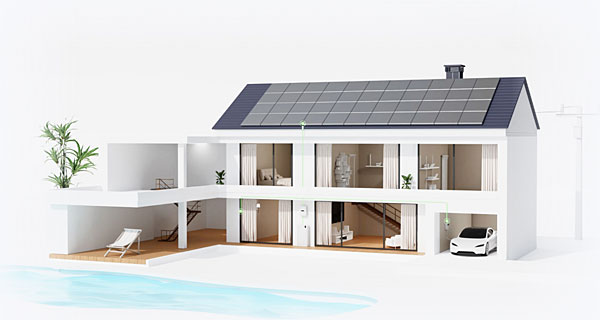
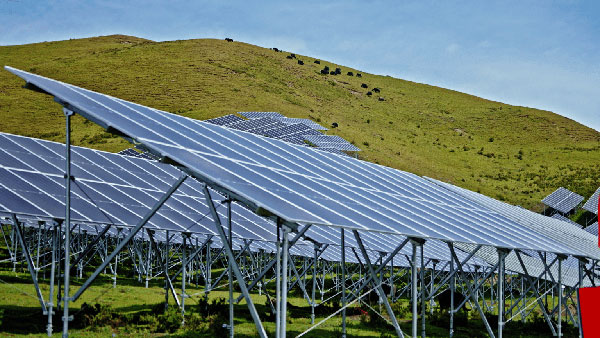
The industrial and commercial photovoltaic system aims to provide sustainable and clean electricity for commercial buildings. By installing photovoltaic arrays on the roofs or surrounding open spaces of commercial premises such as office buildings, shopping malls, factories, etc., solar energy can be converted into electricity to meet some or all of the electricity demand, reduce operating costs, and enhance the green image of the enterprise.
1. System Design
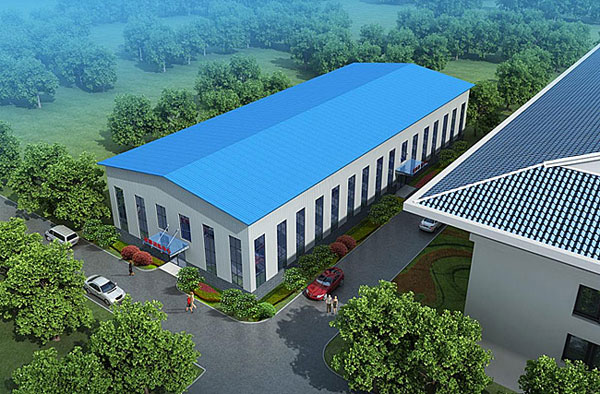
1) Site assessment: Conduct a detailed survey and analysis of the roof area, orientation, shading conditions, available area of surrounding open spaces, and sunlight conditions of commercial buildings to determine the installation capacity and layout plan of photovoltaic systems.
For example, a shopping mall with a roof area of 5000 square meters can install a photovoltaic system with a power of approximately 500 kilowatts after evaluation.
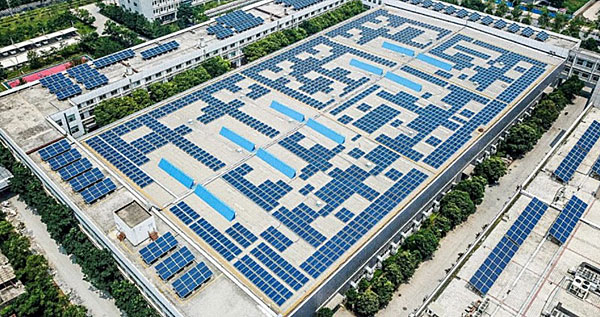
2) Component selection: Choose high-efficiency and high reliability photovoltaic modules, such as monocrystalline silicon or polycrystalline silicon modules. Consider factors such as power output, conversion efficiency, temperature coefficient, wind and pressure resistance of components to ensure stable operation under different environmental conditions.Meanwhile, select appropriate brands and models based on project budget and performance requirements.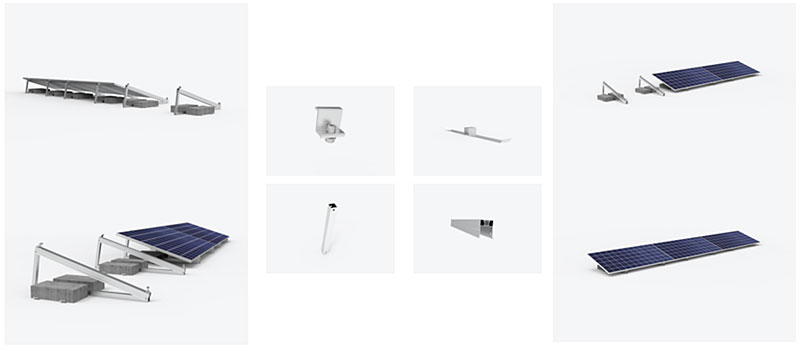
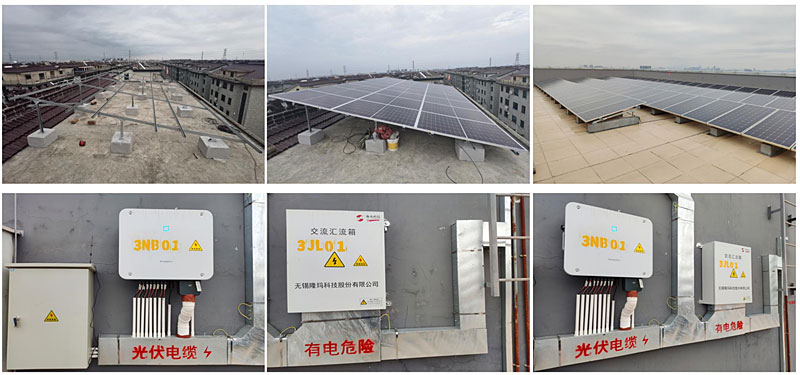
3) System architecture: Adopting a grid connected photovoltaic system architecture, including photovoltaic arrays, inverters, AC distribution cabinets, metering devices, etc. Photovoltaic arrays convert solar energy into direct current, while inverters convert direct current into alternating current and connect it to the internal or public power grid of commercial buildings. The communication distribution cabinet is responsible for distributing and managing electrical energy, while the metering device is used to monitor the amount of electricity generated and consumed.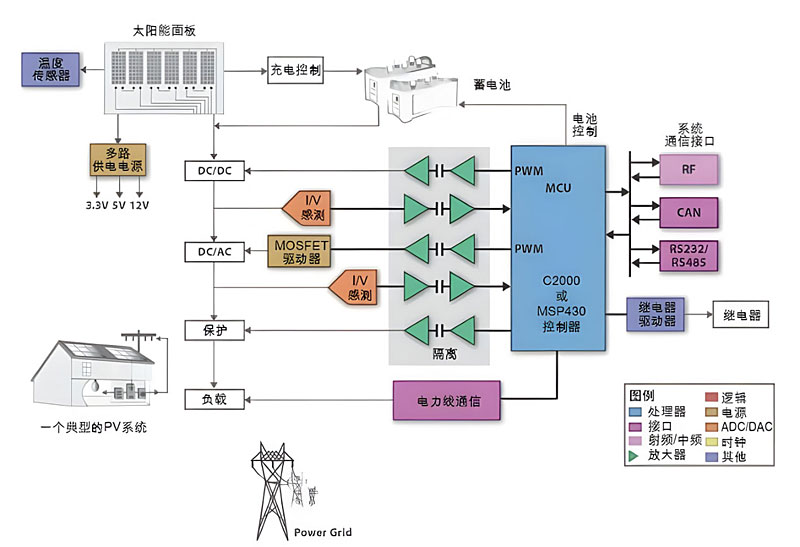
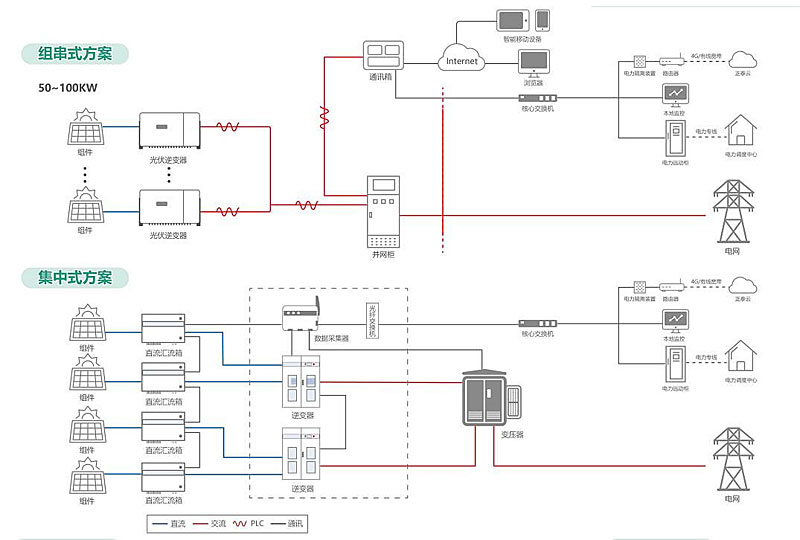
4) System architecture:
>String scheme
1) Diversified product portfolio, flexible matching of power stations with different capacities
2) The device is lightweight and easy to install
3) Multiple MPPT channels to improve power generation efficiency
4) Advanced PID solution effectively suppresses component attenuation
5) The protection level of the inverter reaches IP66, and the C5 shell has anti-corrosion capability, suitable for various harsh outdoor environments
6) Unified access of power stations to cloud management platform, centralized management of power stations scattered in different regions
>Centralized solution
1) Integrated inverter and boost solution, easy to install and debug
2) With a small number of devices, operation and maintenance are convenient
3) Modular design to reduce power generation losses during failures
4) The power stations are uniformly connected to the cloud management platform to centrally manage the power stations scattered in different regions
2. Profit analysis
1) Save electricity costs: The electricity generated by commercial photovoltaic systems is prioritized for commercial use, reducing the amount of electricity purchased from the grid and thus lowering electricity costs. Taking a factory with an annual electricity consumption of 1 million kilowatt hours as an example, after installing a photovoltaic system, the annual self generated electricity consumption reaches 300000 kilowatt hours. Calculated based on the local industrial electricity price of 0.8 yuan/kilowatt hour, it can save 240000 yuan in electricity bills annually.
2) Surplus electricity grid revenue: When the power generation of the photovoltaic system exceeds the self use demand of commercial premises, the excess electricity can be integrated into the grid to obtain electricity sales revenue. The electricity price for surplus electricity grid connection varies in different regions, generally ranging from 0.3-0.5 yuan/kWh.
3) Government subsidies and policy incentives: Many regions provide government subsidies for commercial photovoltaic projects, and the subsidy amount depends on the project scale and regional policies.
In addition, it may also enjoy policy support such as tax incentives and energy-saving and emission reduction rewards, further increasing project revenue.
3. Operation and maintenance management
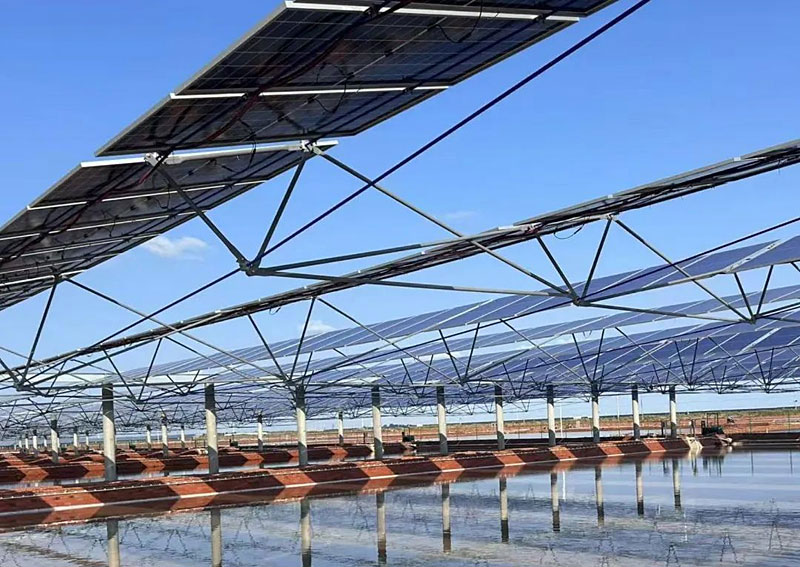
1) Remote monitoring: Establish a remote monitoring platform for photovoltaic systems to monitor in real-time the operating status, power generation, inverter efficiency, and other parameters of photovoltaic modules. By analyzing data in a timely manner, identify potential faults and improve operational efficiency.
2) Regular inspection: Arrange professional operation and maintenance personnel to conduct regular on-site inspections of the photovoltaic system, check the appearance, connection lines, inverter operation, etc. of the photovoltaic modules, timely clean the dust and debris on the surface of the modules, and ensure the normal operation of the system.
3) Fault handling: Establish a fast response fault handling mechanism, so that when the system fails, operation and maintenance personnel can arrive on site in a timely manner for maintenance, minimizing the loss of power generation caused by the fault.
Related Solutions